
In 2025, gold prices surged to all-time highs, with spot gold breaking past previous records and sustaining levels that left many jewellery owners and buyers asking: What is my gold really worth now? Whether you own 22K bangles, 24K coins, or 18K wedding jewellery, understanding how record-high gold rates affect the value of your pieces—and how to calculate that value correctly—is essential. This guide explains why gold reached these levels, how to value your jewellery at current rates, and how to use our gold karat calculator with up-to-date prices.
Why gold hit record highs in 2025
Gold’s rally in 2025 was driven by a combination of factors that rarely align at once. Central banks increased their gold purchases to diversify reserves and reduce dependence on the US dollar. Geopolitical tension—including conflict in the Middle East and ongoing uncertainty in Europe—boosted demand for gold as a safe-haven asset. At the same time, interest rates in major economies began to fall, making non-yielding gold more attractive relative to bonds. A weaker US dollar also supported gold, since gold is typically quoted in dollars and becomes cheaper for holders of other currencies. Together, these forces pushed gold to levels that surpassed even inflation-adjusted highs from decades ago.
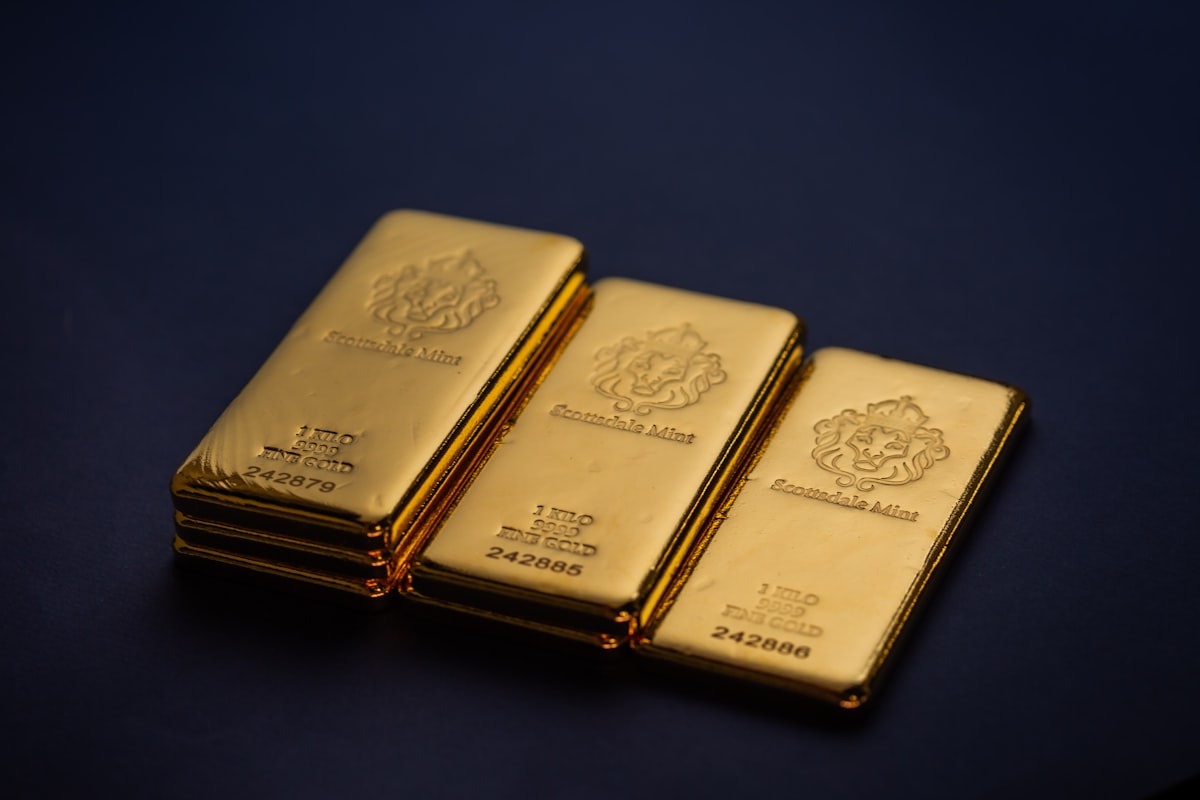
What record highs mean for your gold jewellery
The market price of gold (usually quoted for 24K or 99.9% pure gold) directly influences the per-gram rate for every karat. When the 24K rate goes up, so do the 22K, 18K, and 14K rates in proportion to their purity. So if you own a 22K gold chain or a set of 24K bangles, their gold content value—the part that tracks the market—has risen along with the record highs. That does not mean you will always get that full value when you sell: jewellers and buyers typically pay slightly less than the market rate to cover refining, margin, and risk. But for knowing what your gold is worth on paper, and for insuring or planning a purchase, using the current gold rate per gram for your karat is the right starting point.
For buyers, record highs mean that the same weight and purity of gold costs more in rupees (or any currency) than it did a year or two ago. So when you use a gold calculator to estimate the cost of a 30-gram 22K necklace, you must use today’s 22K rate, not an old rate. Even a few days’ difference can change the gold value by a noticeable amount when prices are volatile.
How to value your jewellery at current rates
Valuing your gold jewellery accurately requires three things: weight (in grams), purity (karat or fineness, e.g. 22K or 916), and the current gold rate per gram for that purity. Formula: Gold value = (rate per gram for your karat) × weight in grams. For example, if the 22K rate is ₹6,500 per gram and your bangle weighs 20 grams, the gold value is ₹1,30,000. Making charges, design, and brand add to the jewellery’s price when you buy, but for gold content value we only use weight, purity, and rate.
- Weigh the piece: Use a jewellery scale or get the weight from your bill or hallmark certificate.
- Confirm purity: Check the hallmark (e.g. 916 for 22K, 750 for 18K) or ask your jeweller.
- Get the current rate: Use a reliable source for the gold rate per gram for your karat (e.g. 22K or 24K) on the day you value.
- Multiply: Rate × weight = gold value. Use our <a href="/">gold karat calculator</a> to do this and to add making charges and GST if you are estimating a purchase.
Why you must use the current rate in your calculator
At record highs, gold rates can move sharply from one day to the next. Using yesterday’s or last week’s rate in your gold rate calculator can give you an estimate that is off by thousands of rupees for heavier pieces. For buying, always use the rate your jeweller is applying that day (or the live/updated rate from a trusted source). For selling or valuing, use the same principle: the rate on the day you get the quote. Our calculator is designed to work with whatever current rate you enter—so you can see how small changes in the rate or weight affect the total gold value and, when applicable, the full jewellery price including making charges and GST.
At record highs, the gold rate you use in your calculator matters more than ever. A small difference in rate per gram can mean a big difference in total value for heavy jewellery.
— Gold Karat Calculator
Selling vs buying at record highs
If you are selling gold, record highs can mean you get more for the same weight and purity than you would have a year ago. However, buyers (jewellers, refiners, banks) typically pay a little below the market rate to cover their costs and margin. So your realisable value may be a few percent below the pure "rate × weight" number. Still, that number is a good benchmark: use the current 22K or 24K rate in your calculator to see the approximate gold value, then expect offers slightly below that unless you are selling in a very competitive market.
If you are buying gold jewellery at record highs, you are locking in at current prices. That is not necessarily wrong—gold has historically held value over the long term—but it does mean your gold value component will be high. Use the calculator to separate gold value from making charges and GST, and compare making charges across jewellers so you are not overpaying on labour when the metal cost is already high.
Summary
Gold reached record highs in 2025 due to central bank buying, geopolitical risk, lower interest rates, and a weaker dollar. To value your gold jewellery at these levels, use the current gold rate per gram for your karat, multiply by weight, and—for full purchase cost—add making charges and GST using our gold karat calculator. Always use up-to-date rates when prices are at record levels; small rate changes can have a large impact on the value of your gold.